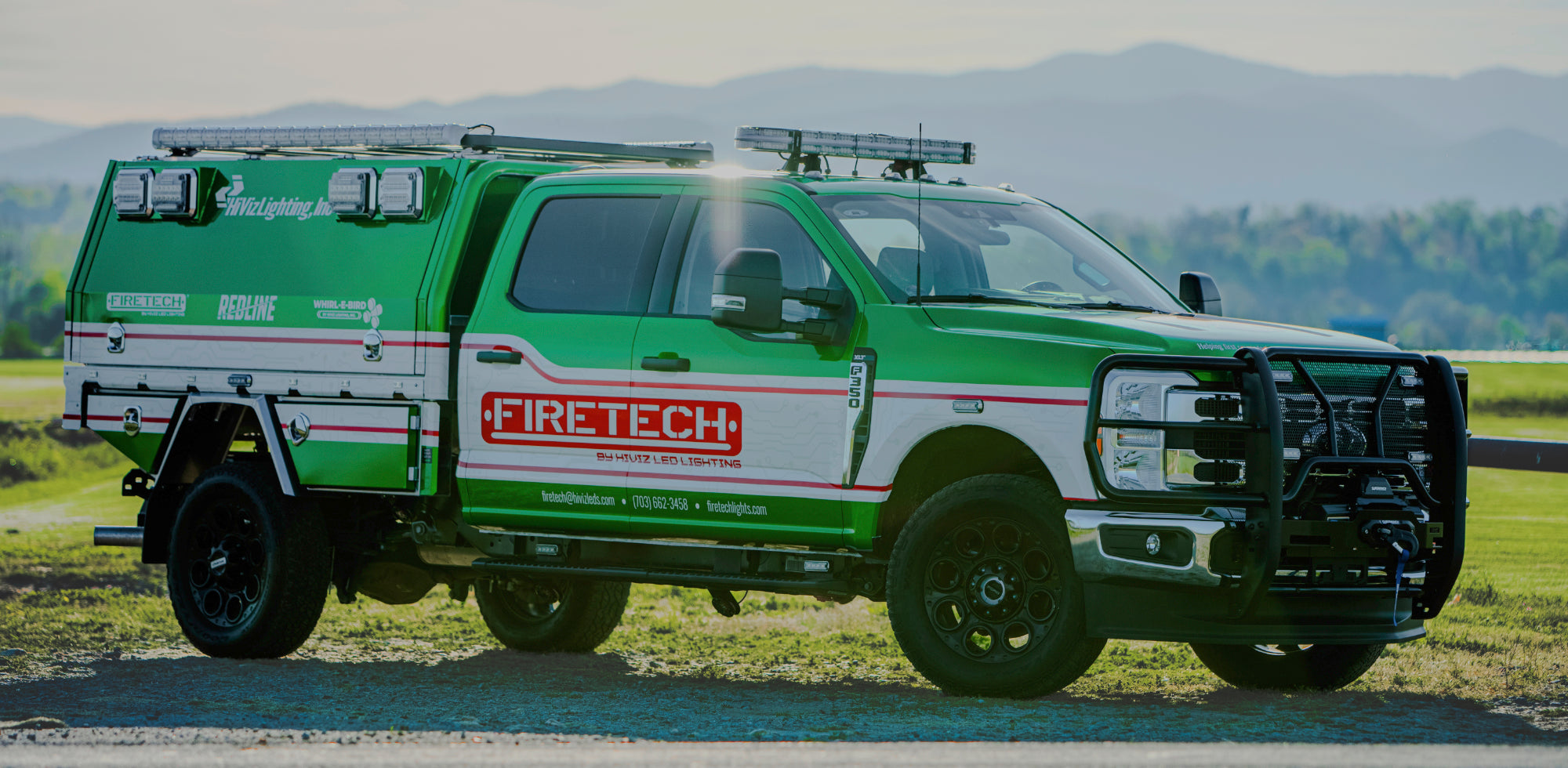


Putting warning lights on a truck or SUV is rarely just about brightness. It’s about the space you actually have, what the light needs to do when it’s on, and how obvious you want it to look when it’s off.
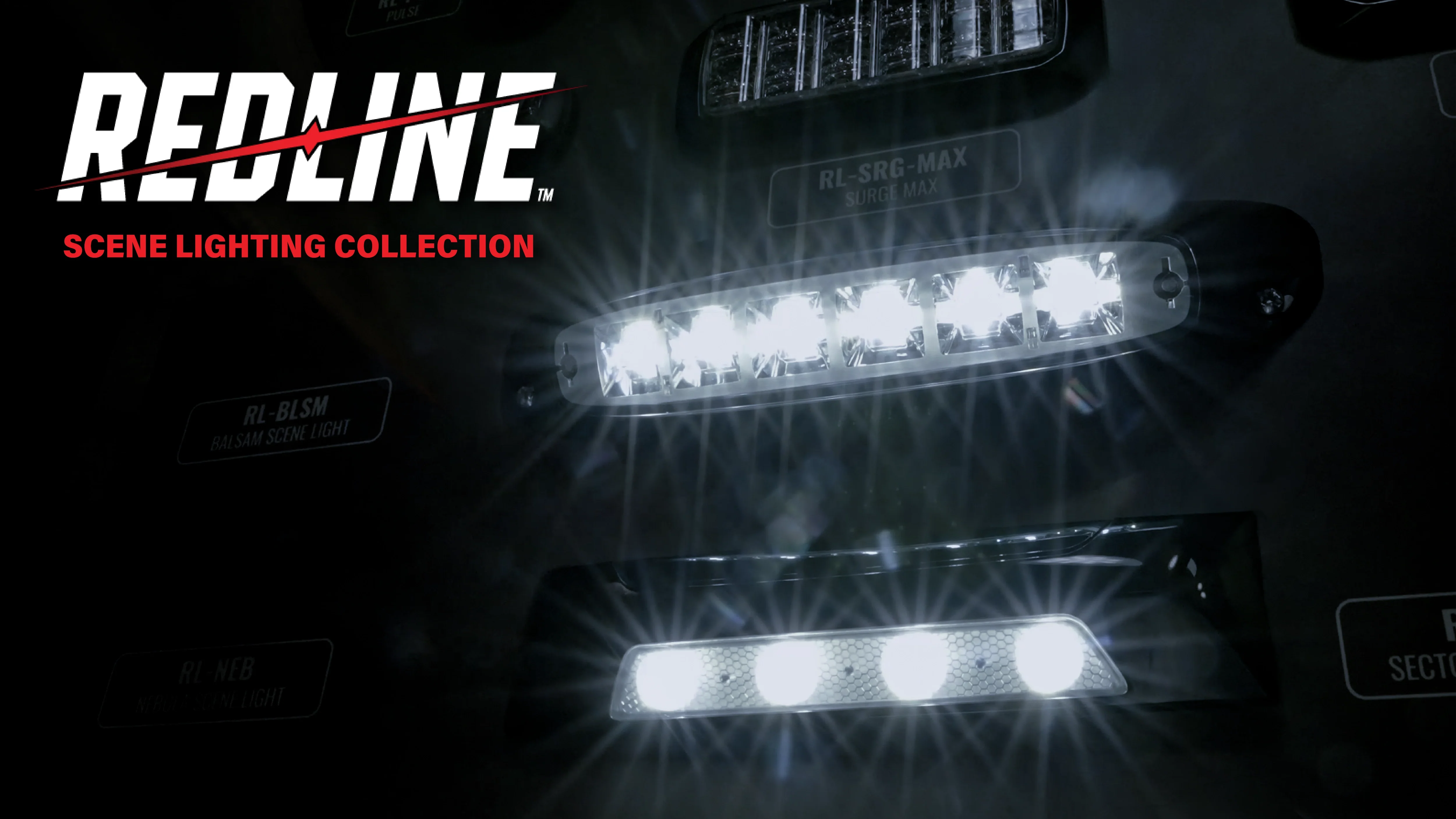
That’s why the Redline Surge family exists. Instead of one light trying to do everything, you get four focused options: Surge Mini, Surge, Surge Max, and Surge Ultra. Mini, Surge, and Max are surface-mounted warning lights that scale in size and output. Ultra is different—it packs warning, stop/tail/turn, and traffic-advisor functions into one narrow fixture.
The goal is simple: match the light to the spot on the vehicle, not the other way around.
Start with the mounting location
Look at the actual space first.
A tight grille opening or bumper pocket doesn’t leave much room. A running board or quarter panel gives you more surface but still needs a clean, low-profile look. A headache rack or under a tailgate might need warning and rear signaling in the same place. On a personal response vehicle, you may want the lights to disappear a little when the truck is just sitting in the driveway.
Mini, Surge, and Max all surface-mount and come in red/blue/amber, red/blue/white, or amber/white. They differ in size, LED count, voltage range, and how many modes/phases they offer. Ultra is its own category with a longer, narrower shape and extra functions.
Three questions usually get you to the right answer:
- How much space is there?
- How much light hardware actually belongs in that spot?
- Does this position need to do more than just warn?

Surge Mini: When space is the first problem
Surge Mini is the smallest of the standard group—3.42 by 1.16 by 0.45 inches with nine LEDs. It runs on 12V, offers three modes and eight phases, and surface-mounts with a black flange.
Use it where room is tight: a narrow grille section, a small bumper opening, a tight side panel, or any place where a bigger light would stick out or simply won’t fit.
It’s also useful when you need several warning positions but each one has limited real estate. Front corners, rear corners, and side spots that can’t take a longer or wider housing are natural homes for Mini.
What makes Mini better than a generic small light is that it stays inside the Surge family. Same color options, same basic programming approach, same accessory path (chrome bezel available, mounting hardware sold separately). You can put Mini where the bodywork forces you to go small, then step up to a standard Surge or Max in the next location without changing the overall system language.

Surge: The everyday surface-mount choice
The standard Surge sits in the middle. Housing is 5.22 by 1.25 by 0.46 inches with 18 LEDs. Still 12V, still three modes and eight phases, available in the same three color combinations.
This is the one most people reach for when they have a little more room than Mini needs but don’t want (or can’t fit) the wider Max. Front or rear bumpers, quarter panels, running boards, and grille openings with decent horizontal space are all natural fits.
Finish options matter here. There’s an optional covert tinted cover, mounting brackets and 3M adhesive sold separately, and a chrome bezel if you want a brighter look. The snap-on black dot-matrix cover masks the light when it’s off, especially useful in a grille or on a personal vehicle. You get the concealment without permanently tinting the lens or applying film directly to the light.
That’s the practical edge. You’re not just buying a lighthead. You’re getting color choice, mounting flexibility, appearance options, and a removable concealment solution that all stay inside one coherent product family.
Surge Max: When the surface can handle more
Max keeps the same 5.22-inch length as the standard Surge but widens to 1.88 inches and jumps to 36 LEDs. It supports 12-24V, offers three modes and two phases, and comes in the same color combinations.

Choose Max when the mounting area is wide enough and you want the most light from a standard Surge-format head. Broad bumper sections, larger grille openings, rear body panels, or brush-bar positions are good candidates.
The advantage is straightforward: you get a bigger LED array in a wider surface-mount package without leaving the Surge family. That consistency matters when you’re trying to keep the whole vehicle looking and programming the same way, but still need more intensity in a few key spots.
It’s not the automatic choice for every location. If the space is narrow, Mini or standard Surge will look and fit better. Use the extra width only when the body panel actually supports it.
Surge Ultra: When one light has to do several jobs
Ultra is not just a bigger version of the others. It solves a different problem.
It combines tri-color warning with stop, tail, and turn functions, plus the ability to run synchronized traffic-advisor patterns across multiple units. The current profile is a narrow 11.42 by 1.18 by 0.9 inches, it uses a bail-bracket mount, runs on 12-24V, and has five warning modes plus two auxiliary modes with eight-wire connectivity.

This is the light that makes the most sense at the back of a pickup or SUV. Headache racks, under-tailgate areas, and spoilers are suitable locations as well.
Two Ultra units under a tailgate can handle rear warning and signaling in a compact package. Mounted on the sides of a headache rack, they can give you warning plus stop/tail/turn in the same fixture. On an SUV spoiler, the narrow shape puts multifunction lighting close to the rear sightline without needing a big bar.
That’s where Ultra pulls ahead of a typical single-purpose light. Instead of mounting separate warning, rear-signal, and traffic-advisor pieces, you can often get the same jobs done with fewer lights, fewer mounting points, and fewer wire runs. On a personal response vehicle, that space and complexity savings can be significant.
Ultra comes in red/blue/amber, red/blue/white, or amber/white warning colors, each with a red halo.
Practical placement ideas
Front grille and front bumper Mini for tight openings. Standard Surge when you have more horizontal room. Max when the wider housing fits and you want the extra output. The covert or dot-matrix cover is worth a look on grille installs where the light should stay quiet when the vehicle is parked.
Quarter panels and running boards These spots usually want something that follows the body lines. Mini works in tight sections. Standard Surge is the middle-ground choice. Max only if the panel is wide enough that the extra width doesn’t fight the trim, steps, or contours.
Rear bumper and tailgate For pure warning, size the light the same way you would up front. When the rear position also needs stop, tail, turn, or traffic-advisor capability, look at Ultra. Under-tailgate installations are a natural fit because one fixture can handle multiple rear-vehicle jobs and multiple units can sync for a sweeping traffic-advisor effect.
Headache racks Ultra is the first model most people should evaluate here. The sides of a headache rack are a common place to combine warning with stop/tail/turn. A standard Surge still works if the position only needs to warn and you prefer a smaller surface-mounted head.
SUV spoilers and rear trim Ultra’s narrow profile and combined functions make it a strong candidate when depth is limited or when you want the light close to the upper rear sightline. Confirm structure, bracket clearance, and wire routing before committing.
Personal response vehicles These builds usually need a balance between real warning capability and everyday appearance. Mini and standard Surge work well in discreet surface-mount spots. The snap-on dot-matrix cover helps on grille installs. Ultra is worth a close look when you need compact rear warning, signaling, and traffic direction without spreading separate lights all over the vehicle.
A straightforward way to decide
- Measure the actual location. Tight space → Mini. Medium surface-mount area → Surge. Wider open section → Max.
- Decide what the light has to do. Warning only → Mini, Surge, or Max. Warning plus stop/tail/turn and traffic advisor → Ultra.
- Pick the color configuration. Mini/Surge/Max: red/blue/amber, red/blue/white, or amber/white. Ultra: those same warning colors with a red halo.
- Decide if concealment matters. Grille or personal-vehicle installs are the usual places to consider the optional covert or dot-matrix cover.
- Check the mounting plan. Mini, Surge, and Max are surface-mounted. Ultra uses a bail bracket. Confirm brackets, adhesive, wiring, and clearance for the specific vehicle.
The right Surge is the one that fits the job
The real strength of the Redline Surge family is that it doesn’t force every spot on the vehicle into the same light.
Mini handles the tightest places. Standard Surge covers the majority of everyday surface-mount needs with good size, output, and finish options. Max steps up the LED count and width when the panel can take it. Ultra steps outside the size progression entirely and combines warning, rear signaling, and traffic-advisor functions for locations that need one fixture to do several jobs.
You end up choosing the light around the vehicle instead of reshaping the vehicle around a one-size-fits-all product. Measure the space, identify the functions, pick the colors, and build the system one position at a time.